Should Australians Reconsider Owning Cats as Pets?
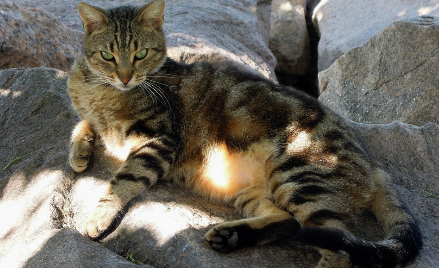
If you ever enjoyed having a cat as a pet, then you can thank the members of the Stone Age, also known as the Neolithic Age. They were the first to domesticate felines and keep them as pets. Humans from this time era even shared their graves with their beloved cats, which were at the time more like an African wildcat than the cat who shares your home.
Cats make great pets because unlike dogs, they are independent and do not require a lot of maintenance. They use a litter box which means they do not have to go outside to use the bathroom at any time of day regardless of the weather. The food and toys for a cat are relatively inexpensive. And most importantly, they are lifelong pets as with proper care and good health cats can live 17 years or longer.
There are three types of cats in Australia: domestic, feral, and semi-feral. Some people prefer to call domestic cats owned and semi-feral cats un-owned or stray, but the facts are the same. Here is a bit about each type of cat and how it affects the wildlife of Australia.
- Domestic cats, also called owned cats, live with their owners in a human environment. They typically have a name or some other form of identification. For the most part they eat food provided by their owners, but they might catch an occasional bird or small mammal. The good news is that over 90% of domestic cats in Australia are de-sexed to prevent breeding.
- Feral cats share the human world but act like wild animals. Most of them were born in the wild and generally avoid human contact as much as possible. They have completely escaped the domestic path of their past generations and survive by hunting or scavenging their food. Unfortunately only a small percentage of these animals are ever de-sexed.
- Semi-feral cats, also called stray cats or un-owned cats, were often once owned by people but now, having escaped their domestic lifestyle, live as wild creatures. These cats are dependent on humans for survival and typically live around the homes of well-meaning people who feed them, or rubbish tips.
One thing that makes cats stand out against some other traditional domestic pets is the feline’s predatory nature. For example, a farmer might have cats around to keep out the field mice. And who can blame them? Cats have spent millions of years perfecting the art of stalking down prey and eliminating it.
But in many cases this predatory nature is bad news for wildlife. A study by the United States Fish and Wildlife Service as well as the Smithsonian Institution revealed that in the United States alone, cats kill more than 2 billion native birds and more than 12 billion native mammals each year. This means that unlike other threats, such as pollution, pesticides, and destruction, the domestic cat is the biggest threat to wildlife conservation.
While no organisation has undergone any such study in Australia, feral cats in our country are a major invasive species. They contribute to the decline and perhaps extinction of some of our country’s native animals, like small mammals, newly released animals, and ground-nesting birds. Domestic cats might be cute when they purr against our hands, but feral ones are an ecological nightmare. If each of the estimated 15 million feral cats in Australia take about 5 animals per night, then they have effectively dropped the number of animals in our country by 75 million. And that is in just one day.
In an effort to help lessen the detrimental effects of all types of cats to indigenous wildlife, any cat imported into Australia must meet the requirements set forth by the Department of Agriculture, Fisheries, and Forestry. If you live in Australia and currently have a cat, please take it to your local veterinarian to have it de-sexed. This will prevent more litters from being added to the ones already living in the country.



Reptile Encounters would like to acknowledge the Wurundjeri people who are the Traditional Custodians of this Land.
We would also like to pay respect to the Elders both past and present of the Kulin Nation and extend that respect to other Indigenous Australians.